
AI becomes a “mirror” for blind people and enables a new way of seeing oneself
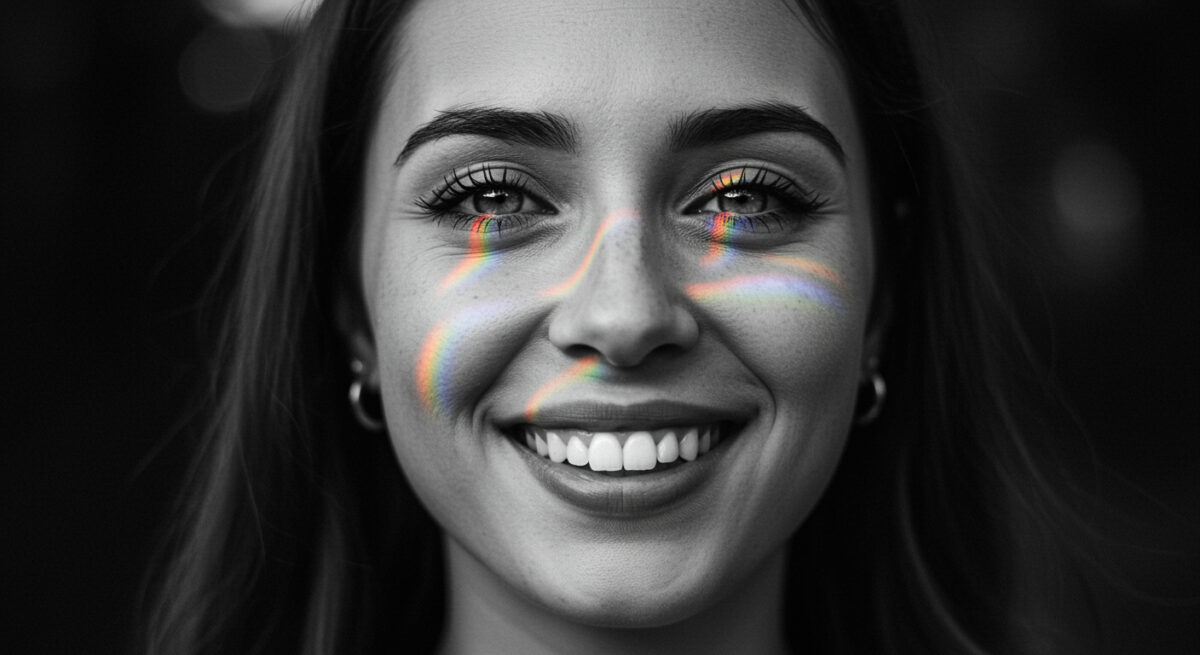
There are technological advances that improve speed. Others boost productivity, and then there are those that touch something much deeper: the way a person perceives themselves. One area with profound impact is AI for blind people, which can change the way a person perceives themselves.
That is exactly what is beginning to happen thanks to artificial intelligence and tools that now function as a kind of digital mirror for those who are blind, powered by AI.
Applications like Be My Eyes and developments from companies such as Envision are using artificial intelligence for describing images to people who are blind in real time with a level of detail that, just a few years ago, felt like science fiction. They don’t just say what’s in a photo: they can describe facial expressions, clothing, gestures, skin condition, and even offer suggestions.
For many people with blindness, this means something profound: for the first time, they can form a clearer idea of what they look like by using AI-based feedback.
A new ritual in front of the “mirror”
Blind individuals globally are now incorporating new technology, using AI to enhance routines that were previously inaccessible for blind people.
What once depended entirely on descriptions from others can now be explored through autonomous support, where AI for people who are blind becomes a voice that observes, translates, and accompanies.
It’s not the same as seeing, of course.
But with artificial intelligence, it is far more than technology had ever allowed for blind people before.
More than appearance: access to the visual world
This “AI mirror” is part of something bigger. Artificial intelligence is helping those who are blind access a visual world that was previously out of reach: reading signs, understanding scenes, identifying products, navigating unfamiliar spaces.
Now it is also entering a deeply personal space: self-image for blind people thanks to the advancement of AI.
AI can describe how a garment fits, whether colors match, if someone is smiling in a photo, or whether makeup is evenly applied. These are everyday details for many sighted people, but for someone who is blind they represent a new layer of independence that AI makes possible.
Technology that listens and adapts
One of the most interesting aspects is that these tools can adapt to what the person wants to receive. Through AI, blind people are empowered to request a brief description, a more technical one, a warmer tone, or even a creative interpretation.
This level of personalization allows AI for blind users to be more than just an image reader, becoming a kind of assistant that learns preferences and adapts to individual needs.
An advance that expands possibilities
Like any powerful technology, these tools raise important questions about how bodies are described, what standards are used, and how self-image is shaped. Yet, it’s clear that AI for blind people is enabling experiences previously unimaginable.
Knowing how a personal photo looks, choosing an outfit with more confidence, or feeling greater control over one’s own image may seem like everyday gestures. Yet, when AI is available for blind individuals, these are also expressions of autonomy, identity, and self-confidence.
This isn’t about replacing senses.
It’s about translating the world so more people, including those who are blind, can inhabit it more fully through AI-powered tools.
And that, without a doubt, is one of those pieces of news that offers a small moment of relief… and a great deal of hope. 💛