
🐋💙 Hope for the whales: the best breeding season in 17 years
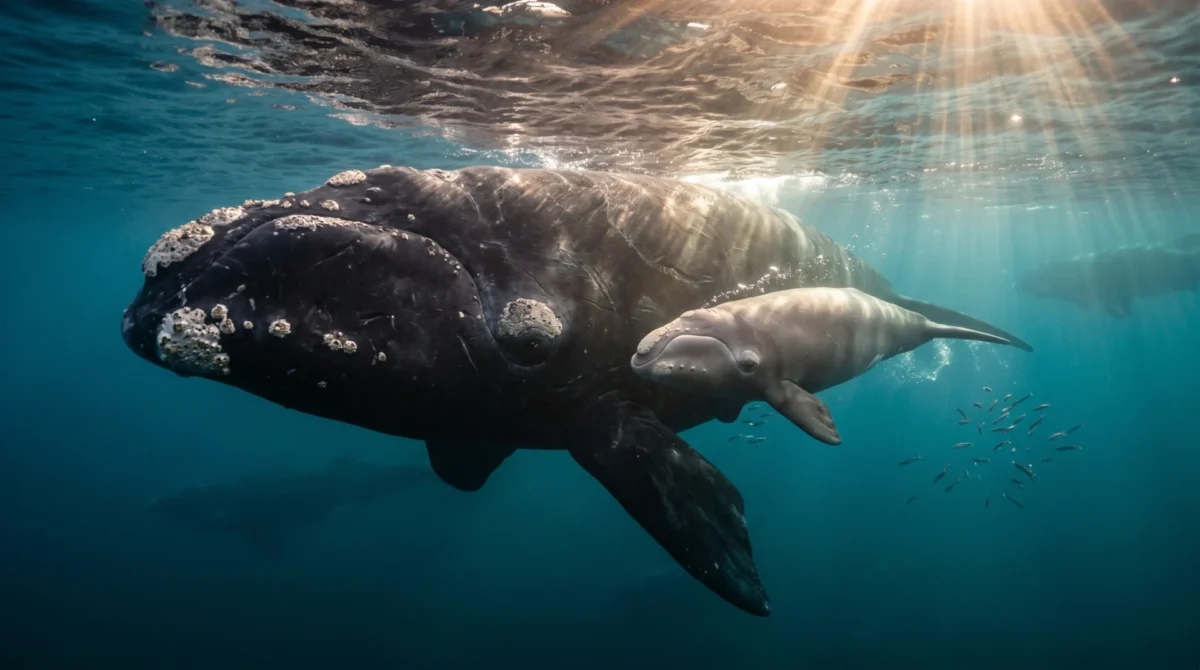
The North Atlantic has just experienced its best calving season in nearly two decades. With 23 new calves identified during the 2026 breeding season, scientists are celebrating what they consider a major sign of recovery for one of the most endangered species on the planet. And for those working to protect them, this is a true source of hope for whales.
A Baby Boom That Excites Scientists
Every year, North Atlantic right whales travel more than 1,600 kilometers from their feeding grounds in northeastern North America to the warmer waters of the southeastern United States.
This is where new generations are born.
During the 2026 season, monitoring teams recorded 23 mother-calf pairs, the highest number since 2009. For such a small population, every birth represents enormous hope for whales.
Mothers Are Reproducing More Quickly
One of the findings that most excites experts is that many of the mothers who gave birth this year had already calved recently.
In fact, several of them significantly reduced the time between births, approaching the intervals considered healthy for the species.
This suggests that conditions may be supporting more favorable reproduction, a development that strengthens hope for whales and for those dedicated to their conservation.
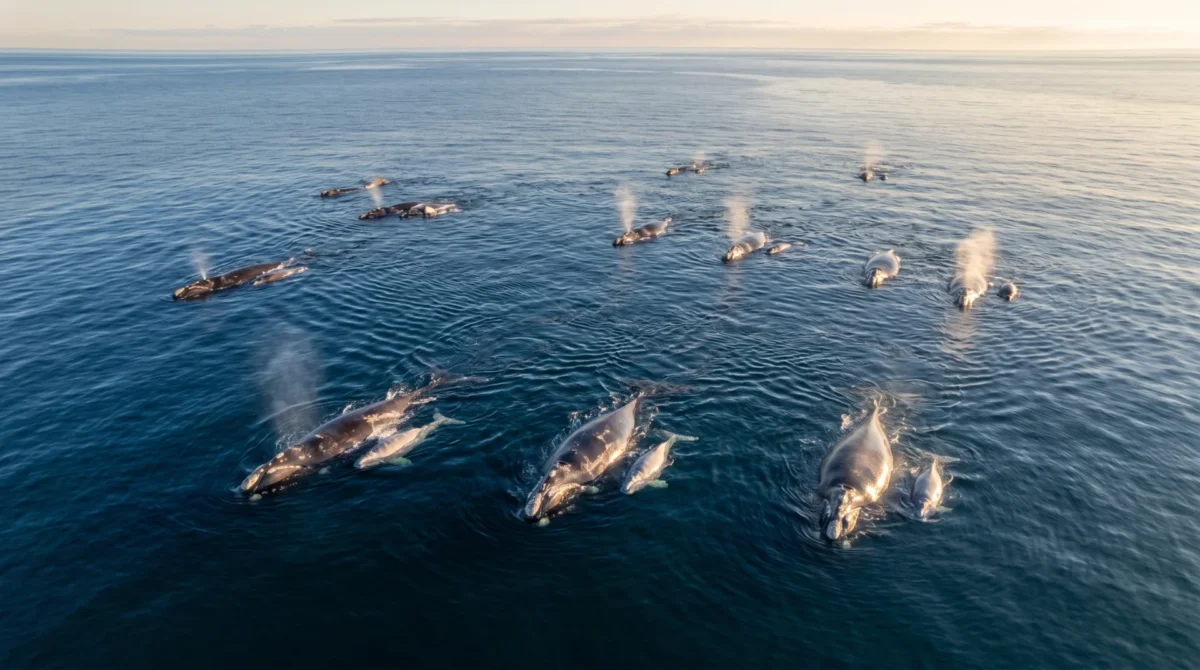
More Sightings and Better Monitoring
The season also brought another encouraging sign. Nearly 500 sightings of 129 different whales were recorded in calving areas, a 29% increase compared to the previous year.
This growth was made possible through the combined efforts of scientists, organizations, and citizens who report observations and help monitor the population.
Each new sighting provides valuable information and fuels hope for whales that are still fighting to recover.
When Conservation Delivers Results
For years, researchers, government agencies, and conservation organizations have implemented measures to protect these ocean giants.
Aerial monitoring, health assessments, genetic analysis, and actions to reduce risks have all played a critical role in achieving these results.
The 23 births recorded this year demonstrate that conservation does more than protect species. It also creates real opportunities for recovery.
And that represents tremendous hope for whales and for marine biodiversity.
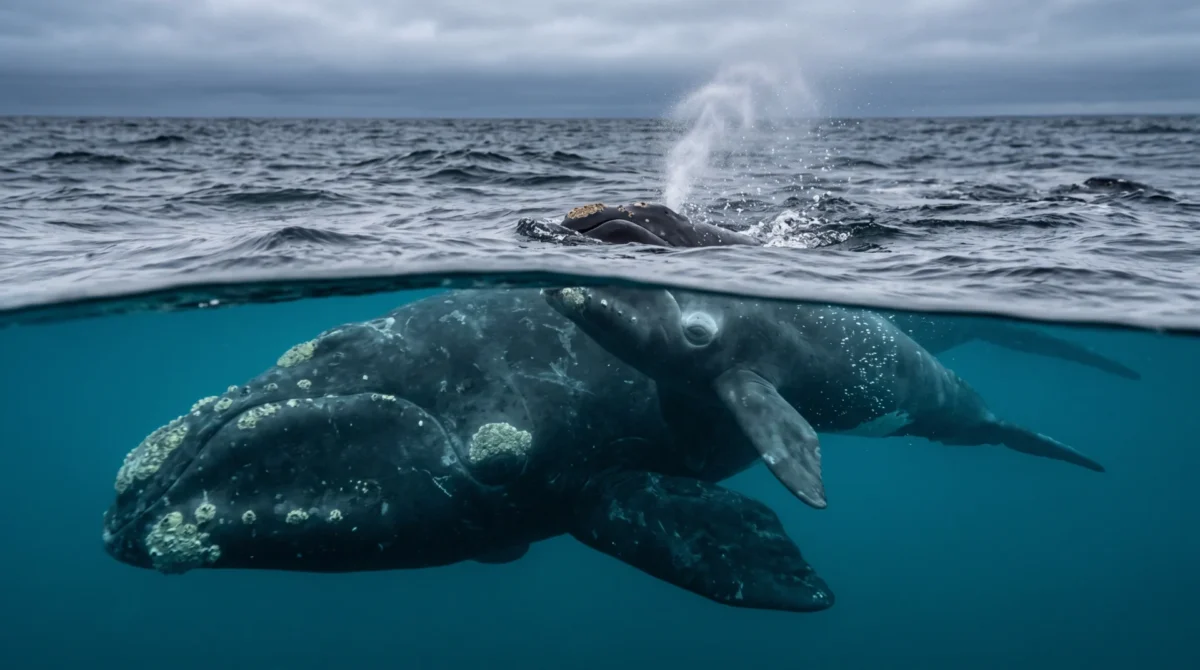
A Future That Still Requires Protection
Experts remind us that the species continues to face significant threats, including vessel collisions, entanglement in fishing gear, and changes in the marine ecosystem.
However, this season shows that recovery is still possible.
Each new calf increases the species’ chances of survival and strengthens hope for whales that seemed much more distant just a few years ago.
Good News from the Ocean
The greatest conservation success stories are often written slowly through years of work, ongoing research, and the collaboration of thousands of people.
That is why these 23 births are much more than a statistic.
They are a reminder that when science, environmental protection, and public commitment work together, results follow.
And for the North Atlantic right whale, this season brings something invaluable: renewed hope for whales and for the future of our oceans. 🐋💙