
🐼 Wild Windows: When the Zoo Comes to Your Hospital Bed
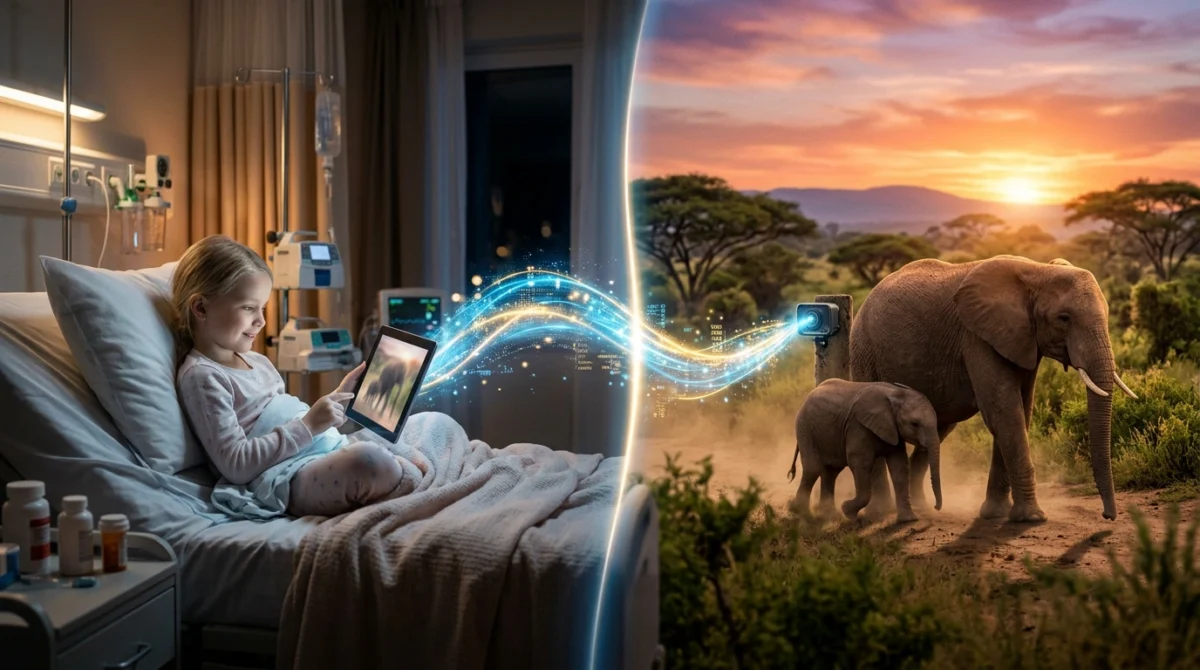
There are ideas that do not need to be complex to change lives. Sometimes, all it takes is opening a window, even a digital one, and that is exactly what wild windows do.
The San Diego Zoo has transformed a simple initiative into a global experience: bringing the magic of live animals to hospitalized children through cameras that run 24 hours a day.
A connection that crosses borders
What started in San Diego now reaches more than 400 pediatric hospitals across 12 countries. Thanks to these wild windows, thousands of children can observe animal life in real time without leaving their rooms.
Lions resting, pandas playing, elephants walking. Each scene becomes an experience they can only have in this way.
More than images: real companionship
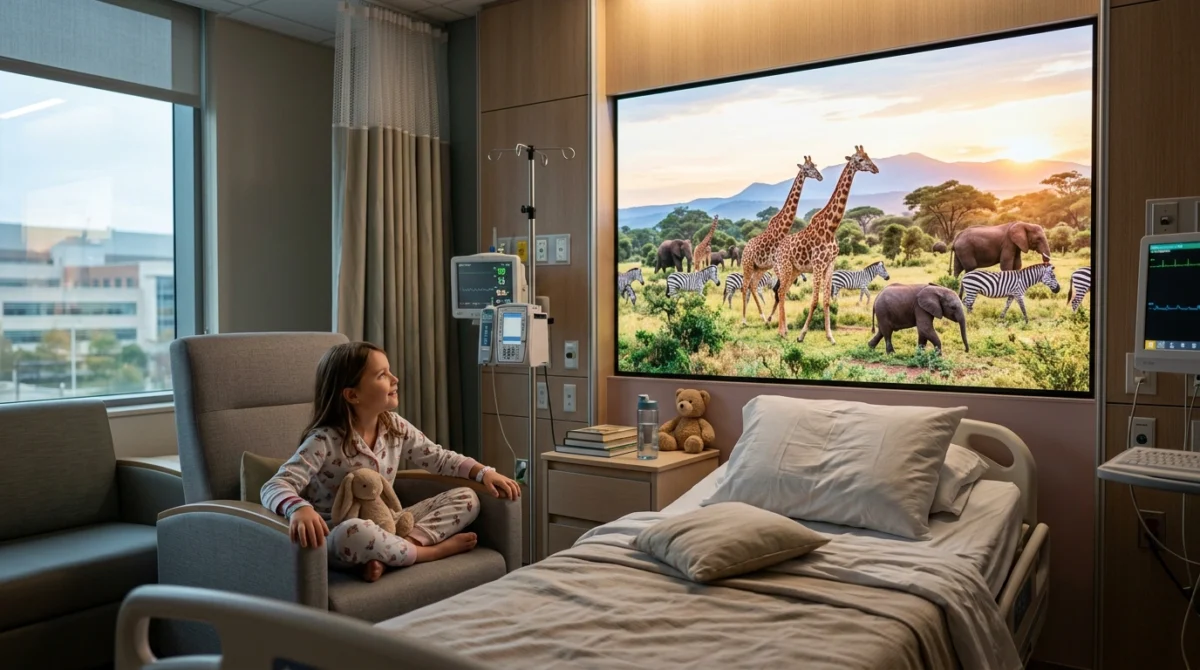
For many children, the hospital can be a difficult place. This is where wild windows make a profound difference.
It is not just about watching animals. It is about feeling companionship, having new experiences and finding moments of calm in the face of adversity.
In this way, they create moments of positive disconnection, where the mind travels far from the clinical environment, generating a positive impact on children’s mood.
A simple idea, a massive impact
What is most inspiring is that everything starts with something simple: sharing nature. Wild windows require no effort, only curiosity.
Today, millions of children each year benefit from this initiative, proving that technology can be a tool for empathy and well being.
Small moments that change entire days
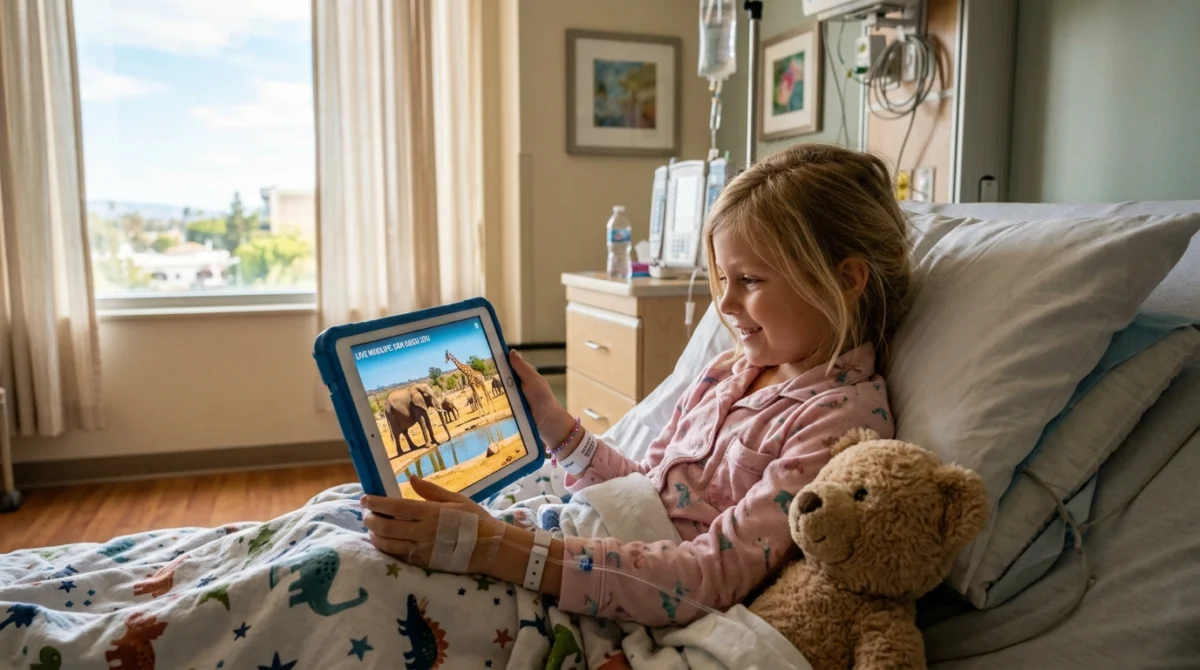
In the middle of treatments and medical routines, wild windows offer something invaluable: an emotional pause.
Watching an animal move freely can transform a child’s mood, turning difficult moments into lighter ones.
A good story worth sharing
Wild windows remind us that even the simplest ideas can have a global impact.
- They connect worlds.
- They bring nature closer.
- They create smiles.
And thanks to initiatives like wild windows, the world feels a little more human.