
Less alcohol, more well-being: a growing trend
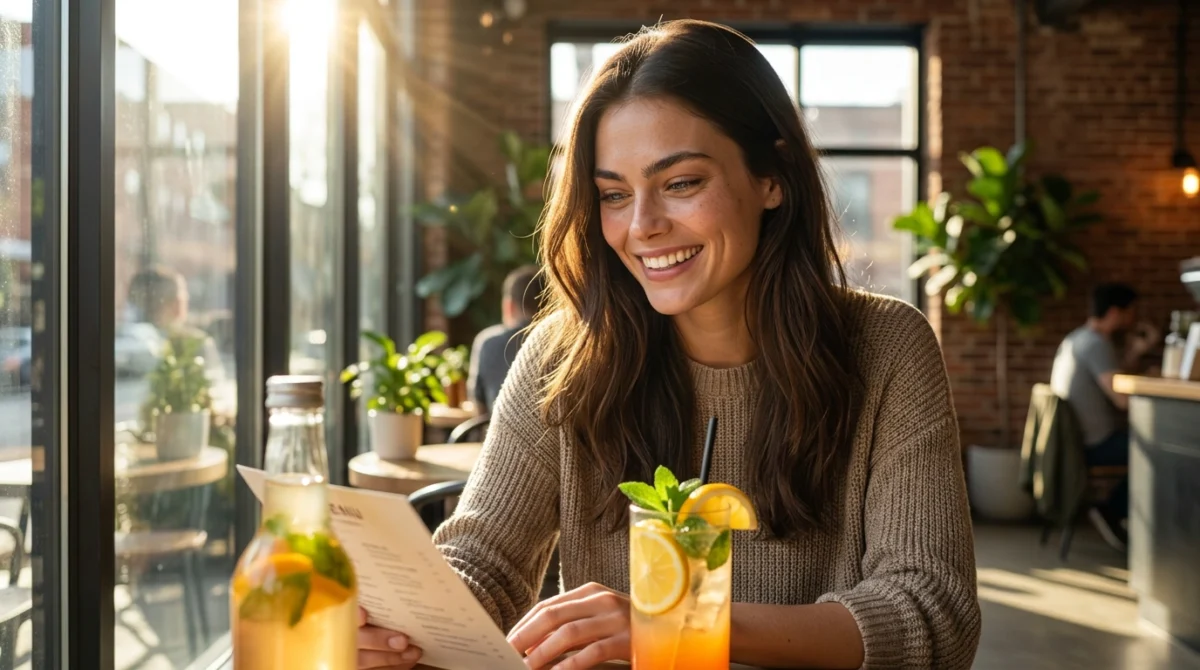
Something important is changing in the way people understand wellness. And the numbers are confirming it.
For the first time in 85 years, alcohol consumption in the United States has reached its lowest recorded level. Behind this trend, one idea is becoming increasingly powerful: less alcohol, more wellness.
Less alcohol, more wellness in a new generation
According to Gallup data, only 54% of Americans say they currently drink alcohol.
It is the third consecutive year of decline, something never seen before since records began in 1939.
The movement is being driven mainly by women and young people, groups that are prioritizing a clear philosophy: less alcohol, more wellness.
The relationship with health is changing
Perceptions about alcohol are also evolving rapidly.
Today, more than half of Americans believe that even moderate alcohol consumption can affect health. Among young people, that number rises to 66%.
More and more people associate quality of life with rest, mental health, energy, and emotional balance. In that context, the idea of less alcohol, more wellness is gaining cultural momentum.
More conscious habits
Even those who continue drinking are doing so much more moderately. The weekly average has fallen to the lowest level recorded since 1996.
Meanwhile, alternatives are growing, such as:
- alcohol-free beverages
- healthier social gatherings
- routines focused on physical and emotional wellness
Because for many people today, the goal is no longer excess. It is feeling better. And once again, the idea of less alcohol, more wellness appears.
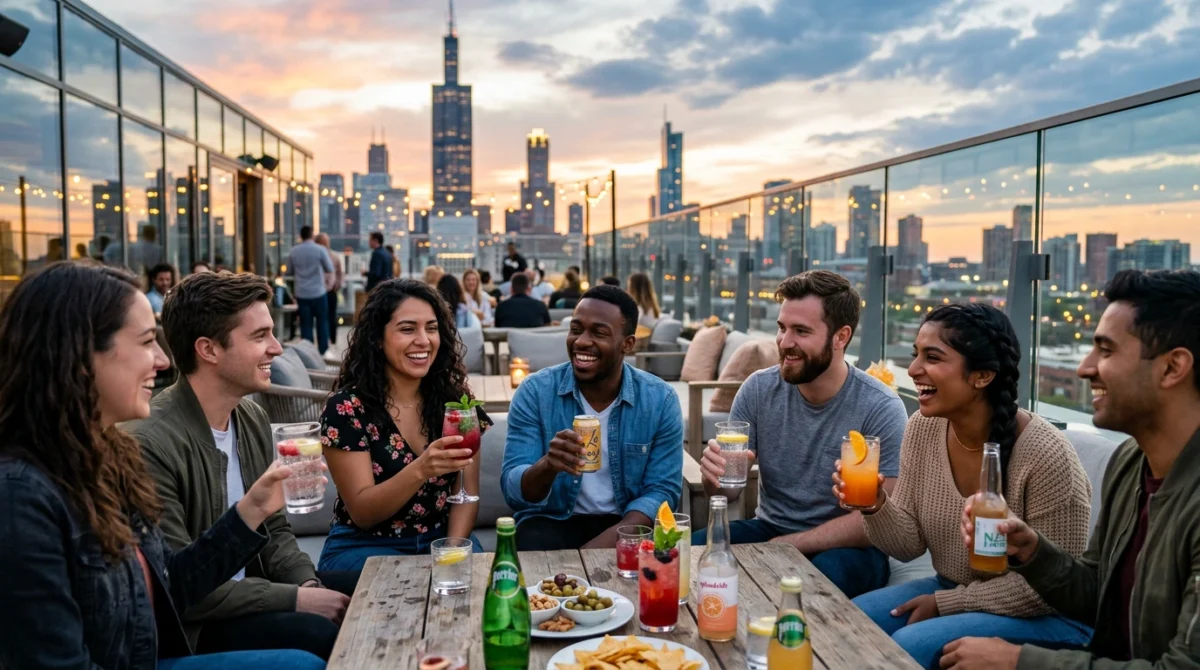
A positive cultural shift
For decades, drinking was seen as an inevitable part of social life. But something is changing.
More people are discovering that they can connect, relax, and enjoy themselves without depending on alcohol. And that is transforming habits across the country.
The trend of less alcohol, more wellness is not born from prohibition, but from more conscious personal decisions.
Good news for collective wellness
This shift reflects a society that is beginning to prioritize health in a different way.
- Sleeping better.
- Having more energy.
- Taking care of mental health.
- Listening to the body.
All of this is part of the cultural wellness movement, and although it may seem like a quiet transformation, its long-term effects could be enormous.
Because sometimes the best news is not the most scandalous.
It is the kind that shows millions of people are learning how to take better care of themselves.
And that is what makes the idea of less alcohol, more wellness much more than a trend: it may be the beginning of a new way of living.