
👓 AI-powered glasses: a new way to support people with dementia
There are technological advances that don’t just innovate… they also care.
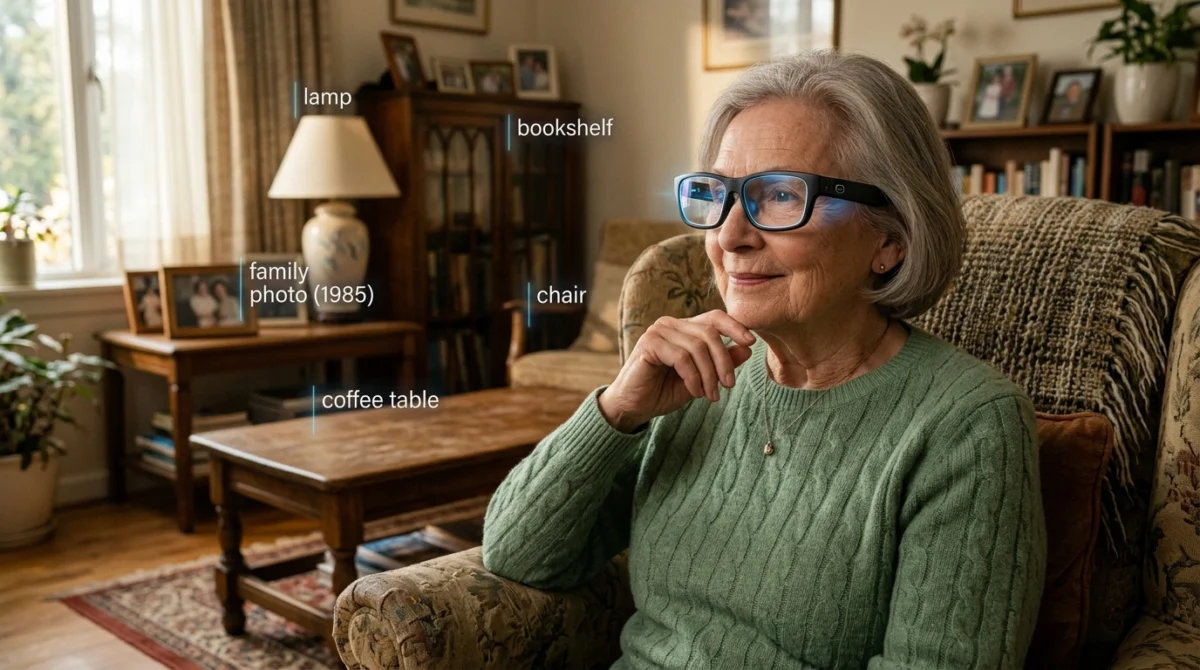
That is the case with AI powered glasses, a solution designed to help people with dementia recognize their surroundings in a simpler and more independent way.
AI powered glasses that support memory
For those living with dementia, forgetting everyday objects or their names can create confusion and frustration. This is where AI powered glasses make a real difference.
Through artificial intelligence, this innovation identifies elements in the environment such as keys, a toothbrush or a cup by displaying their name directly on the lenses.
It is a silent, constant and natural support.
Support in daily life
One of the greatest advantages of this invention is its integration into everyday life. They do not require external screens or constant assistance.
As the person moves around their home or neighborhood, the glasses provide real time information, helping reduce uncertainty and increase confidence.
Small supports that create meaningful change.
AI powered glasses that restore independence
Beyond the technology, the real value of these glasses lies in what they represent: dignity and independence.
Being able to recognize objects on your own, navigate more easily or complete daily tasks without relying on others has a profound impact on quality of life.
AI powered glasses do not just inform. They empower.
The future of care
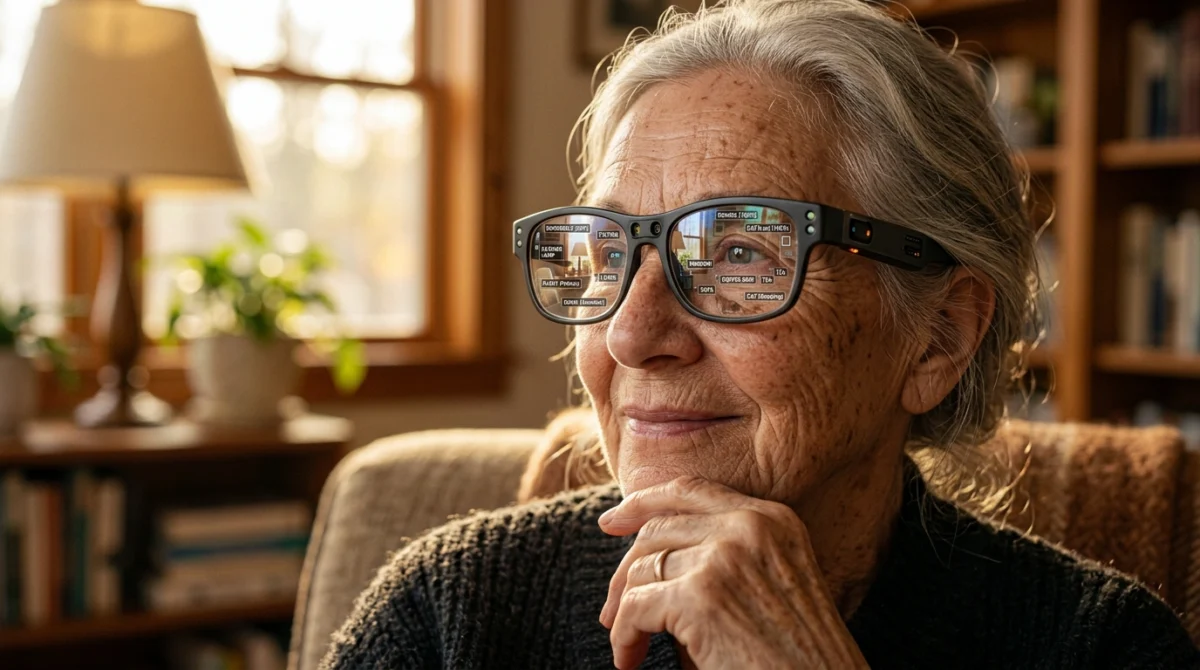
Although this technology is still in development, AI powered glasses open the door to a future where artificial intelligence will be a key ally in caring for people.
A future where technology does not replace, but supports.
Good news that matters
This innovation is a clear example of how progress can focus on what truly matters: people.
Because when someone regains confidence in their daily life, when they feel safer in their own space, we are looking at something more than technology.
We are looking at a real improvement in quality of life.
And that is always good news.